Electrotechnical
Services
Saint-Jean-sur-Richelieu, Québec450 347-8394

Electrotechnical services · Quebec

The trusted namein high voltage.

Data center commissioning, electrical maintenance, transformer assembly and testing, oil filtration and degassing.

Saint-Jean-sur-Richelieu, Québec

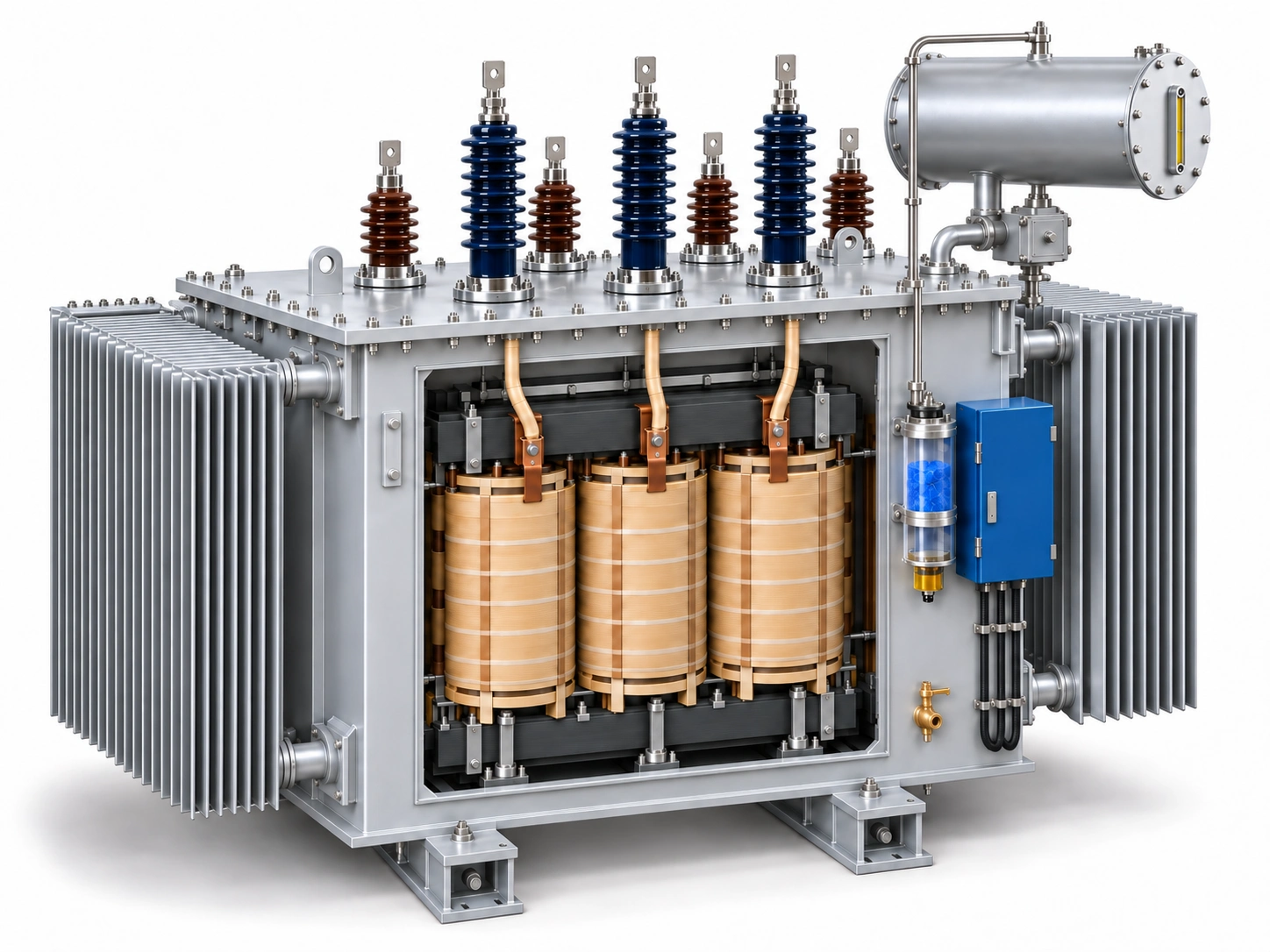
Educational power transformer cutaway: HV bushings in front and LV bushings behind, insulated windings, shared magnetic core, radiators and conservator
ASSEMBLY AND SUPERVISION
ELECTRICAL TESTING
EXPLORE SET’S EXPERTISEASSEMBLY · TESTING · COMMISSIONING

OUR ROLE

Your operations depend on a reliable electrical supply.

SET

SET assembles, commissions and maintains electrical equipment for data centers and industrial facilities. Our testing and analysis help you plan maintenance and equipment upgrades.

SET’S EXPERTISE

Services for
your electrical systems.

From assembly to maintenance, explore our five main service areas.

CRITICAL POWER

Data center commissioning

SET works mainly at L1 and L2: equipment inspections, assigned electrical checks and documented results before energization.

  • L1: factory documentation and acceptance checks
  • L2: delivery, installation and electrical verification
  • Inspection records and follow-up of outstanding items
Let’s discuss your needs
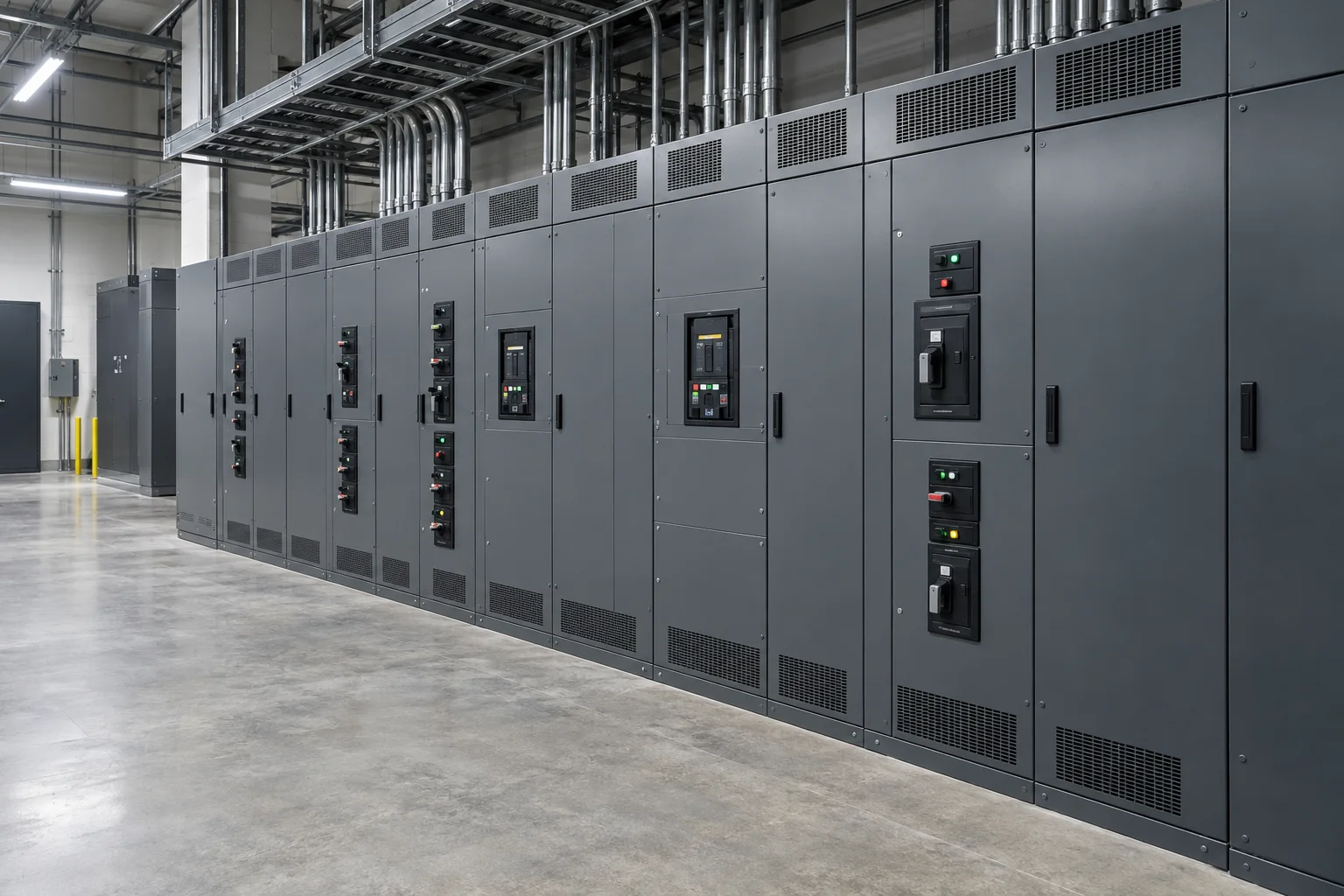
Conceptual illustration of closed switchgear cabinets in a data center electrical distribution room

Follow the power

Power supply illustration
UtilityGeneratorTransfer switchUPSBatteryServersUtilityGeneratorTransfer switchUPSBatteryServers
Servers stay powered

Utility supply. The utility powers the servers through an uninterruptible power supply (UPS).

Battery support. The UPS battery keeps the servers powered while the generator starts.

Generator supply. Once the generator is ready, the transfer switch connects it to the UPS.

This diagram illustrates the power supply, not SET’s commissioning test scope.
POWER TRANSFORMERS

Transformer assembly and testing

SET assembles power transformers, inspects the assembly and performs electrical tests before commissioning. We record the results in the equipment’s technical documentation.

  • Transformer assembly and site supervision
  • Assembly inspection, electrical testing and test witnessing
  • Commissioning and technical documentation
Let’s discuss your needs
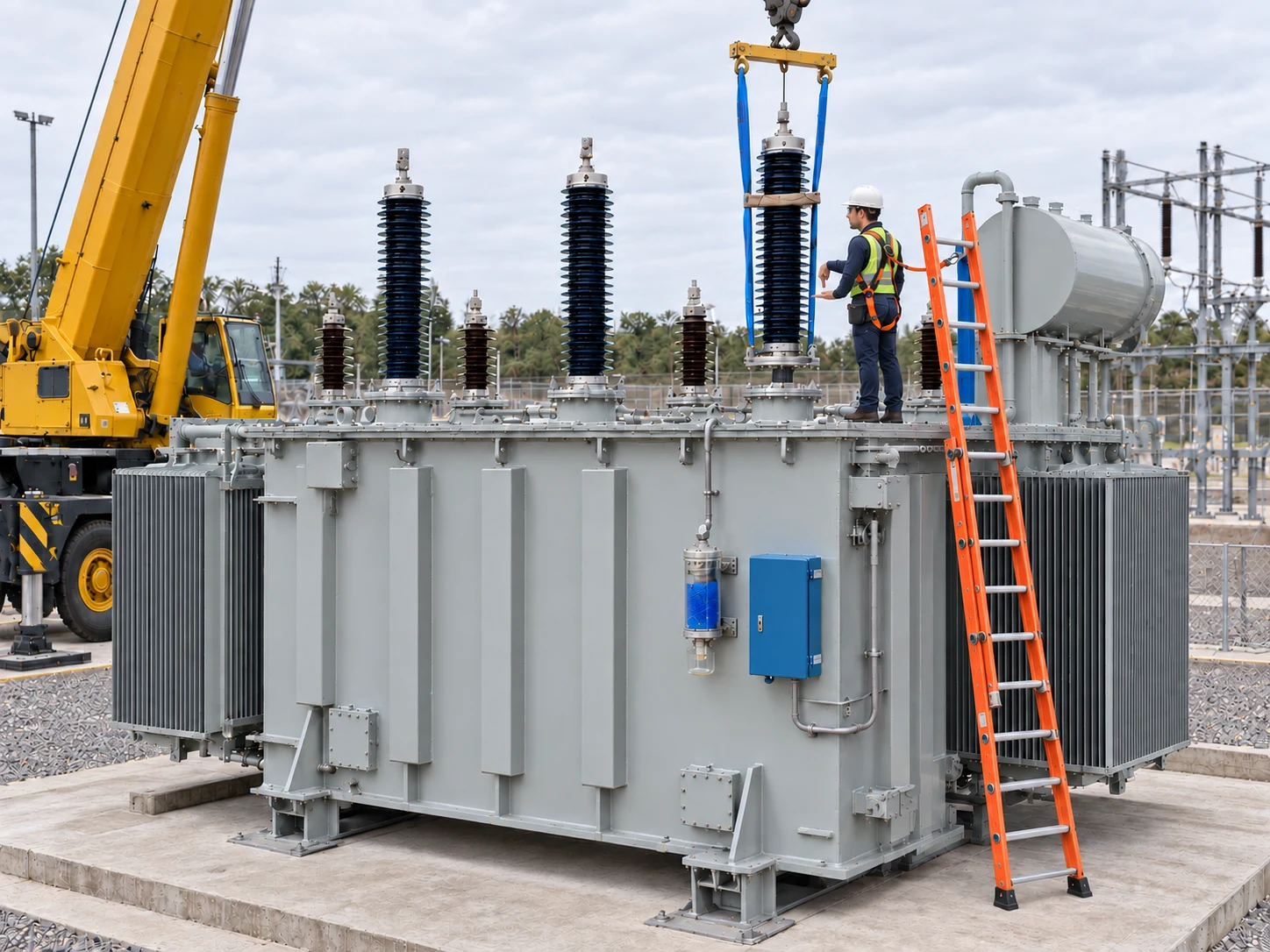
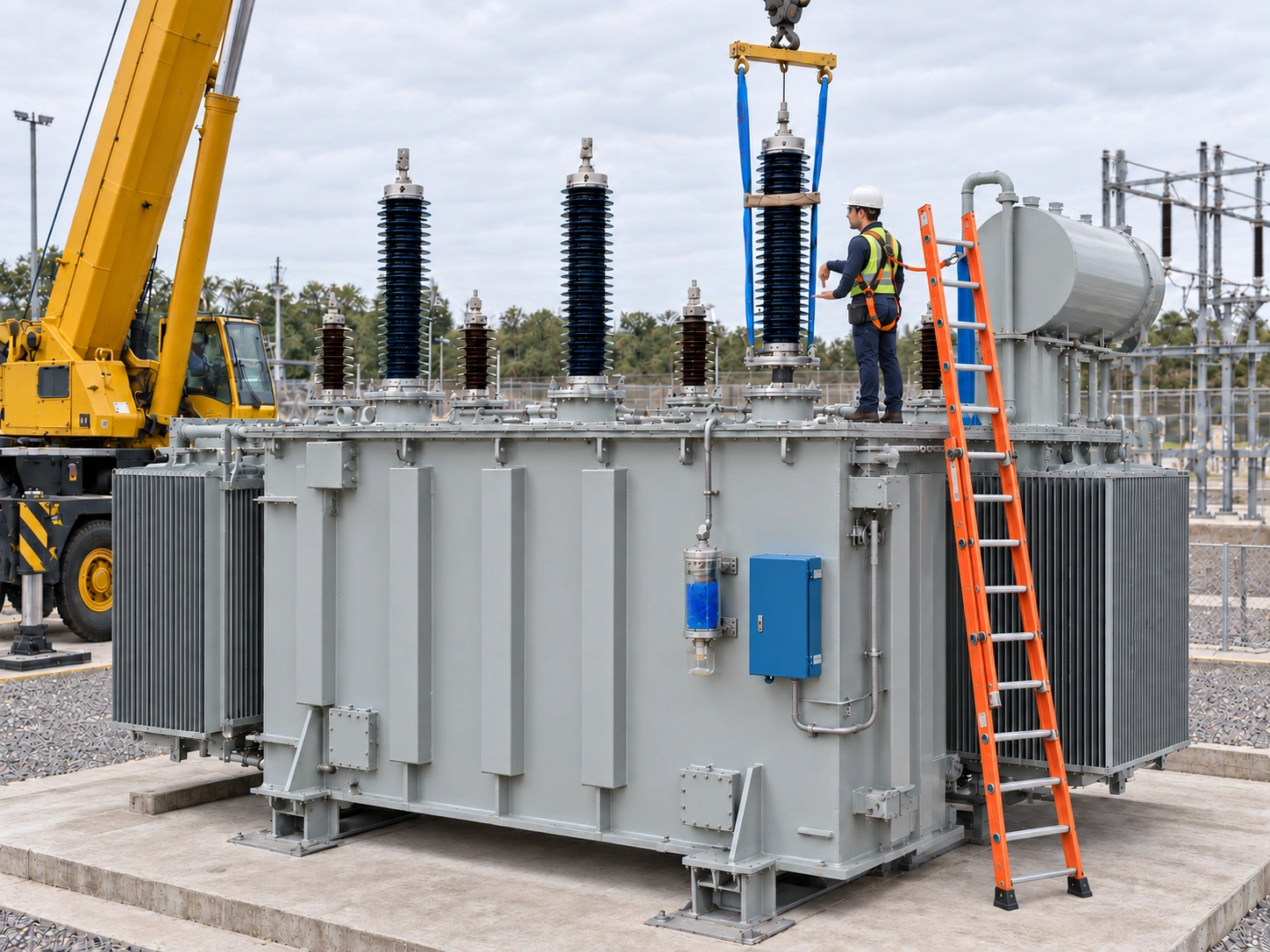
Assembly supervision illustration: a harnessed technician on the transformer guides the lowering of a high-voltage bushing suspended from a crane.
Assembly supervision · Illustration
INSULATING OIL

Oil filtration, degassing and analysis

SET filters and degasses transformer oil to remove particles, water and dissolved gases. We also collect samples for laboratory analysis by our sister company, DieleXLab.

  • Particle filtration, vacuum dehydration and degassing
  • Oil sampling and laboratory analysis by DieleXLab
  • Engineering analysis by SET, on request
Our sister companyDieleXLab (opens in a new tab)See filtration and degassingLet’s discuss your needs

ON-SITE OIL SAMPLING

Oil testingSampling jar · 1 L
Dissolved gas analysis · DGAGas-tight syringe

The 1 L jar holds the oil sample for breakdown voltage testing and other analyses.

SET sampling · DieleXLab testing
PROTECTION UPGRADES

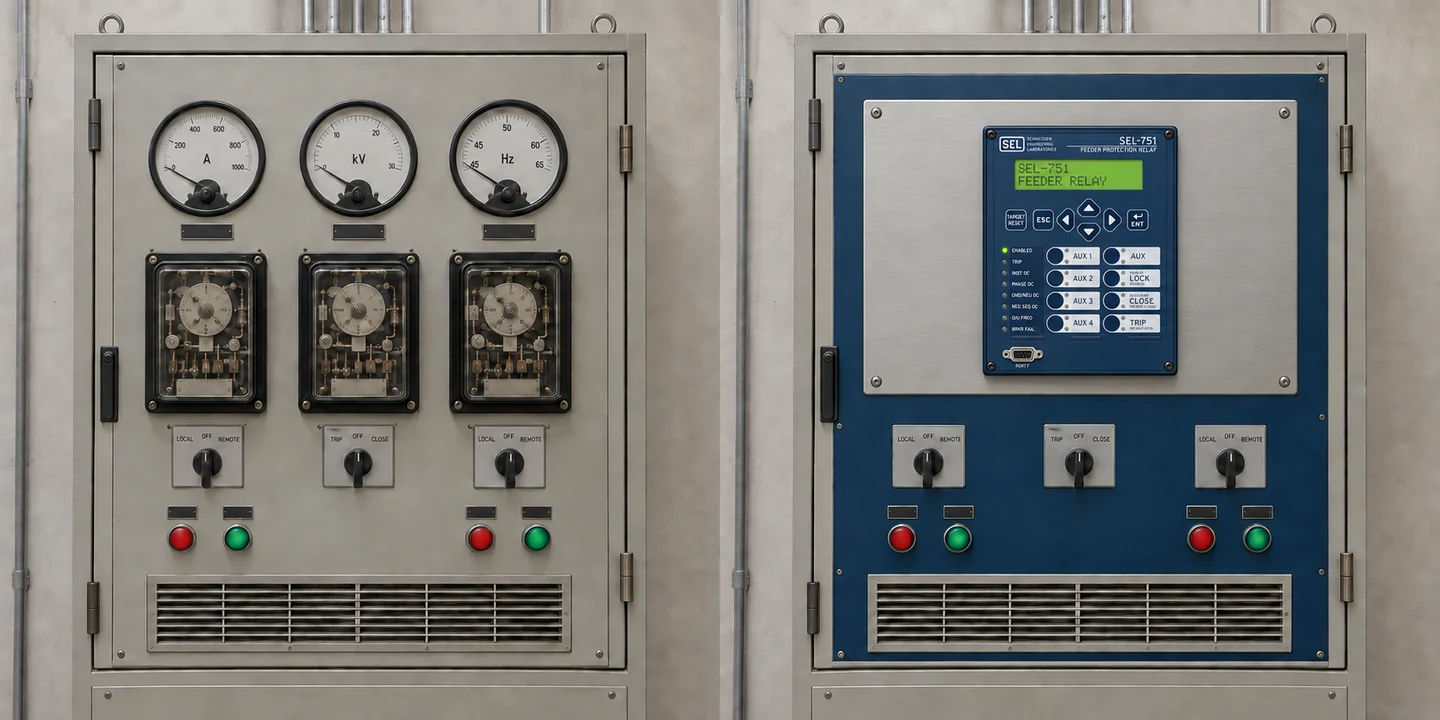
Upgrade your electrical protection

SET replaces obsolete relays, upgrades protection systems and adapts equipment control circuits. The work includes the testing and documentation needed to return the equipment to service.

  • Protection upgrades, including SEL relay integration
  • Replacement of obsolete and electromechanical relays
  • Control updates, testing and recommissioning
Let’s discuss your needs
SAME CABINET. NEW PROTECTION.
Existing cabinet with analog meters and electromechanical relays — concept illustration
Same cabinet retrofitted with one SEL-751-style relay and an adapter plate covering the old openings — concept illustration

In this example, one SEL-style relay replaces the old protection devices. An adapter plate covers the unused openings.

Concept illustration · Not a completed project.

INFRARED INSPECTION

Thermography

Infrared inspection identifies abnormal heating in operating electrical equipment. SET documents the findings and recommends further checks or maintenance.

  • Infrared inspection
  • Hot-spot detection
  • Reporting and recommendations
Let’s discuss your needs

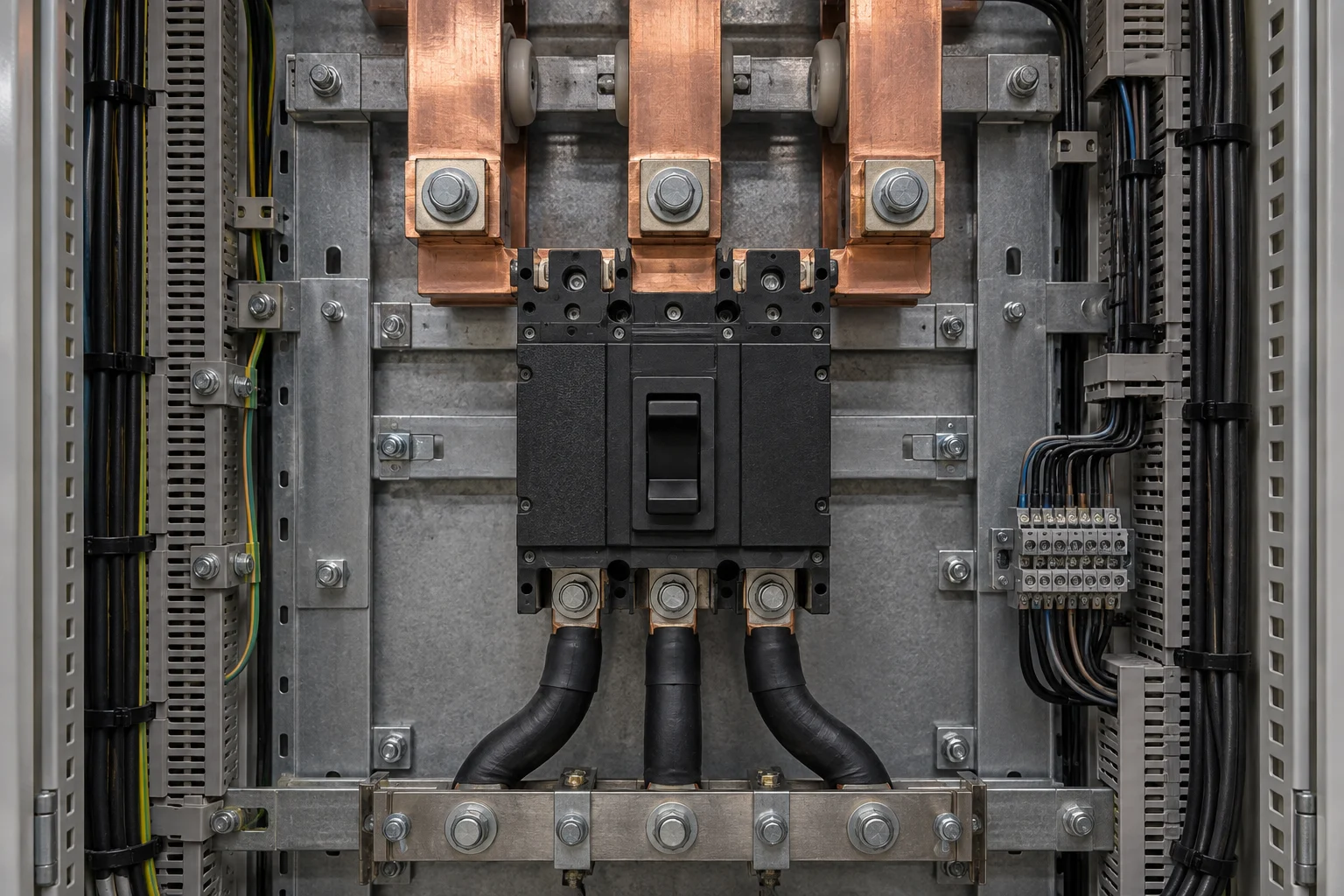
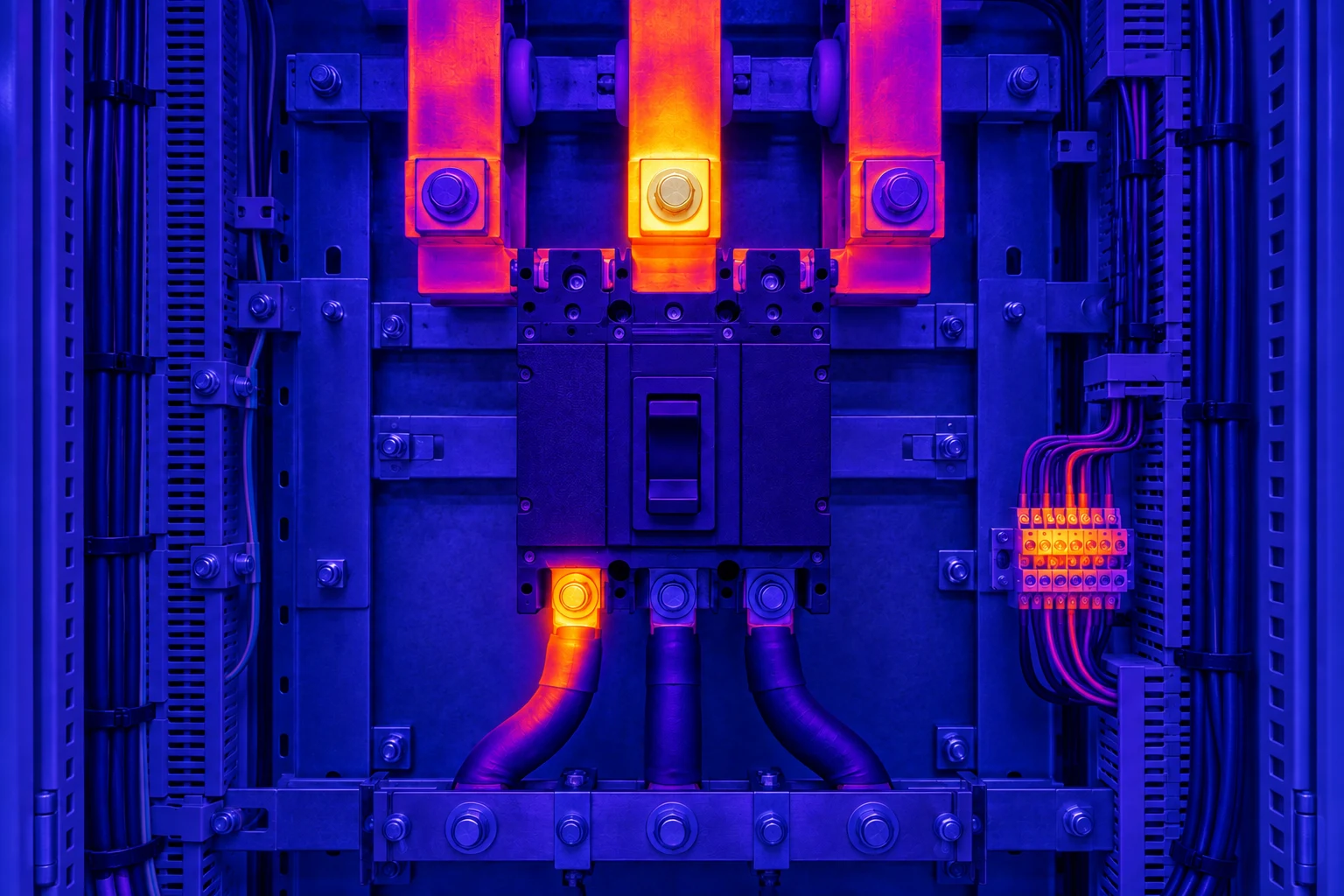
Locate hot spots.

Illustration of an electrical cabinet with three copper busbars, a circuit breaker, power cables and an auxiliary terminal block.

Three points to examine. Select one below.

This connection is warmer than those on the neighbouring phases. The temperature difference needs to be assessed alongside loading and operating conditions.

CoolerWarmerIllustration · Simulated temperatures

In inspection mode, use the arrow keys to move the camera. Home returns to point A. Escape restores the thermal view. The buttons below the image also give access to all three points.

ADDITIONAL SERVICES

Engineering, maintenance
and training.

Power system studies, protection testing, technical documentation and training for your team.

Engineering studies

SET assesses your electrical system and provides recommendations based on its characteristics, your operating requirements and applicable standards.

  • Protection coordination
  • Short-circuit and arc flash studies
  • Feasibility, load, power factor and harmonic studies
Let’s discuss your needs
Electrical equipment maintenance

SET plans and performs electrical equipment maintenance around your operating constraints, including inspections, electrical tests and documented checks before return to service.

  • Maintenance planning and equipment inspections
  • Electrical tests and documented findings
  • Generator-transfer and power-restoration checks under the maintenance plan
Let’s discuss your needs
Relays and protection systems

SET programs and tests relays to verify the operation of your electrical protection systems. We also replace obsolete relays.

  • Programming and electrical testing
  • Protection modernization
  • Obsolete relay replacement
Let’s discuss your needs
Engineering documents

SET prepares drawings and technical specifications for equipment procurement, installation work and maintenance.

  • Single-line and three-line diagrams
  • Control schematics
  • Technical specifications and procurement
Let’s discuss your needs
Training and technical advice

SET trains your teams in electrical hazards and equipment operation, and provides advice on technical questions.

  • Electrical risk awareness
  • Arc flash and incident energy training
  • Equipment operation support
Let’s discuss your needs

Specialized field equipment

Oil filtration and vacuum degassing.

SET uses specialized equipment to remove water, dissolved gases and particles from transformer oil. This helps restore its insulating properties as far as its condition allows.

Follow the oil through the circuitOilWater + gases
Follow the oil through the circuitSide view of a transformer with a half-full conservator. Oil leaves its bottom valve, passes through a priming pump and inline heater, and falls onto multiple coalescing filters in a vertical vacuum chamber. A vacuum pump connects at the top. Once the chamber is half full, oil exits at the bottom, passes through an antioxidant or sand vessel with bypass valves, then an outlet pump returns the warm oil to the space above the conservator’s oil level. The illustrated chamber pressure falls to 0.1 Torr before oil enters.Degassing unitWarm oil return to the top of the conservatorConservator½ oilTransformerBottom valve · 2″PrimingpumpInlineheaterVacuum pumpWater + gasesCoalescingfilters50 %Oil levelVacuum chamber0.1 TorrPressureBypass · closedAntioxidantor sandOutletpumpFollow the oil through the circuitSide view of a transformer with a half-full conservator. Oil leaves its bottom valve, passes through a priming pump and inline heater, and falls onto multiple coalescing filters in a vertical vacuum chamber. A vacuum pump connects at the top. Once the chamber is half full, oil exits at the bottom, passes through an antioxidant or sand vessel with bypass valves, then an outlet pump returns the warm oil to the space above the conservator’s oil level. The illustrated chamber pressure falls to 0.1 Torr before oil enters.50 %Conservator½ oilWarm oil returnTransformer2″PrimingpumpInlineheaterVacuum pumpWater +gases0.1 TorrVacuumchamberCoalescingfiltersAntioxidantor sandOutletpumpBypass · closed
  1. The pump connected at the top evacuates the chamber. The pressure dial falls to 0.1 Torr before oil enters.

  2. The priming pump draws oil from the bottom of the transformer through the inline heater. It falls onto the coalescing filters, disperses into droplets and fills the chamber to about half height.

  3. After the vacuum chamber, oil passes through the antioxidant or sand vessel. The vessel’s isolation valves are open and its bypass is closed: oil flows through the vessel, with no flow through the bypass.

  4. The outlet pump returns warm oil to the space above the oil level in the conservator. The exchange continues throughout degassing.

Simplified process illustration. Pressure, levels and timing illustrate the sequence; actual settings depend on the equipment and intervention.

A continuous oil circuit

Hoses connect the transformer’s bottom valve to the degassing unit. A priming pump, inline heater, vacuum chamber, additive or sand vessel with bypass valves, and outlet pump form the circuit. Warm oil returns above the oil level in the conservator throughout degassing.

SET records the work and collects samples. DieleXLab performs the laboratory analyses used to assess the oil before and after the intervention.

Plan filtration or degassing
Particle filtration
Filter elements retain suspended solid contaminants.
Vacuum dehydration
Controlled heating and vacuum extraction reduce moisture in the oil.
Degassing
The vacuum chamber extracts dissolved air and gases.

THE SET APPROACH

Plan the work.
Verify the results.

We agree on the scope with you, coordinate the work on site and record the results for your operations team.

  1. 01

    Define the scope.

    We review your equipment, operating constraints and objectives with you to define the scope of work.

  2. 02

    Coordinate the work.

    We coordinate assembly, testing or upgrades with your team, taking site constraints into account.

  3. 03

    Document the results.

    We provide test results and technical documentation to support commissioning or return to service and help you plan maintenance.

PLAN.CARRY OUT THE WORK.VERIFY.

IN THE FIELD

Our work,
in the field.

Explore our work in commissioning, maintenance, transformer assembly and testing, oil filtration and thermography.

Illustrative workflow

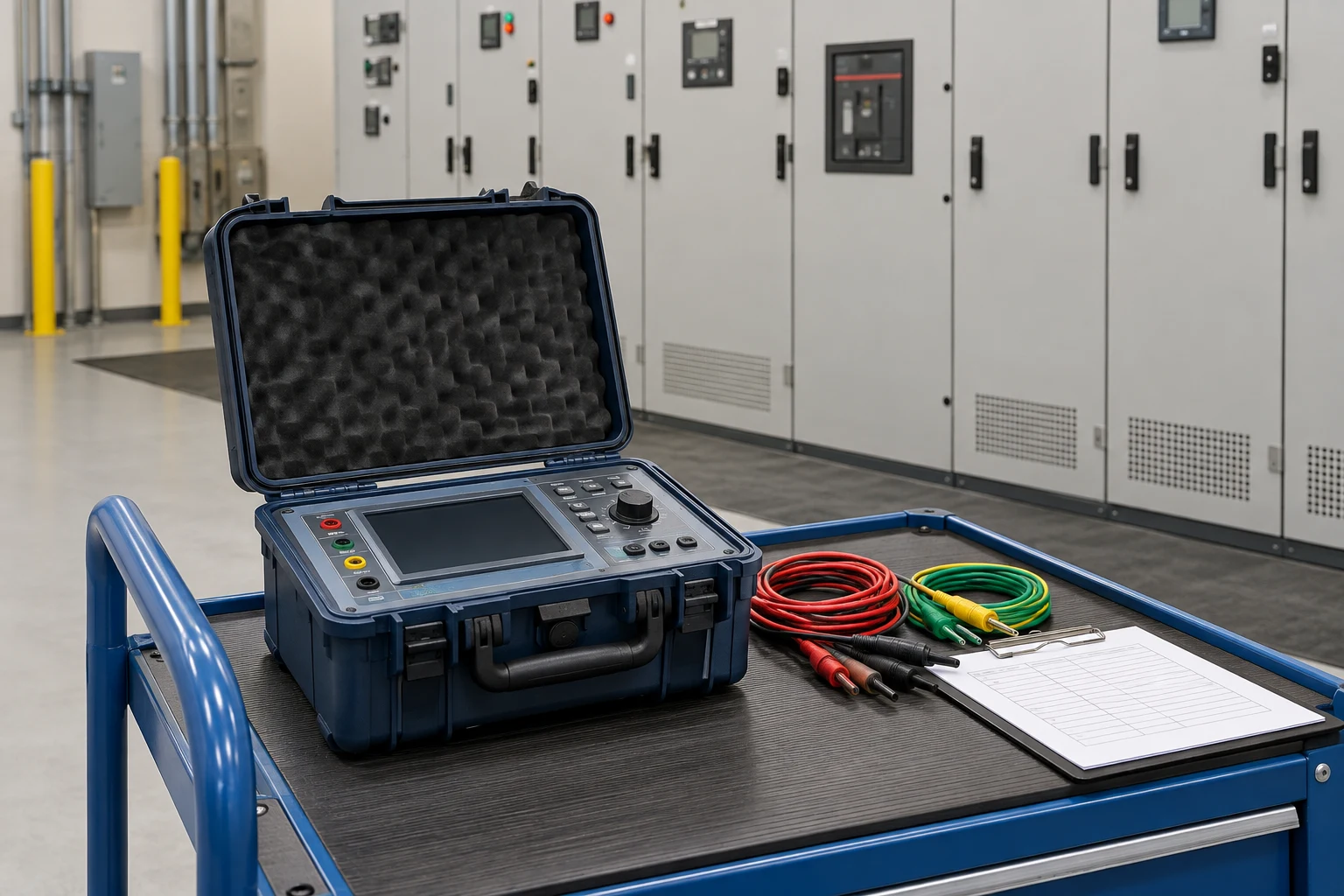
Data center commissioning, from L1 to L2

An example of how equipment checks and records support the early commissioning stages.

Conceptual illustration of electrical test equipment and an inspection clipboard beside closed switchgear cabinets.
Illustrative example; not a customer project record.

Review the equipment records.

The team reviews the equipment requirements and factory test documentation. Inspections and electrical checks are defined by SET’s assignment in the commissioning plan.

Inspect the installed equipment.

On-site checks cover equipment condition, identification, assembly and connections. The assigned electrical tests and any discrepancies are recorded before the next commissioning stages.

Hand over the findings.

Test results, inspection sheets and outstanding items are assembled for the commissioning team. Each item remains traceable to the equipment concerned.

Deliverable: equipment inspection records, electrical test results and a list of items requiring follow-up.

Illustrative workflow

Prepare, inspect and verify the equipment

Electrical inspections and tests scheduled around the site’s operating requirements.

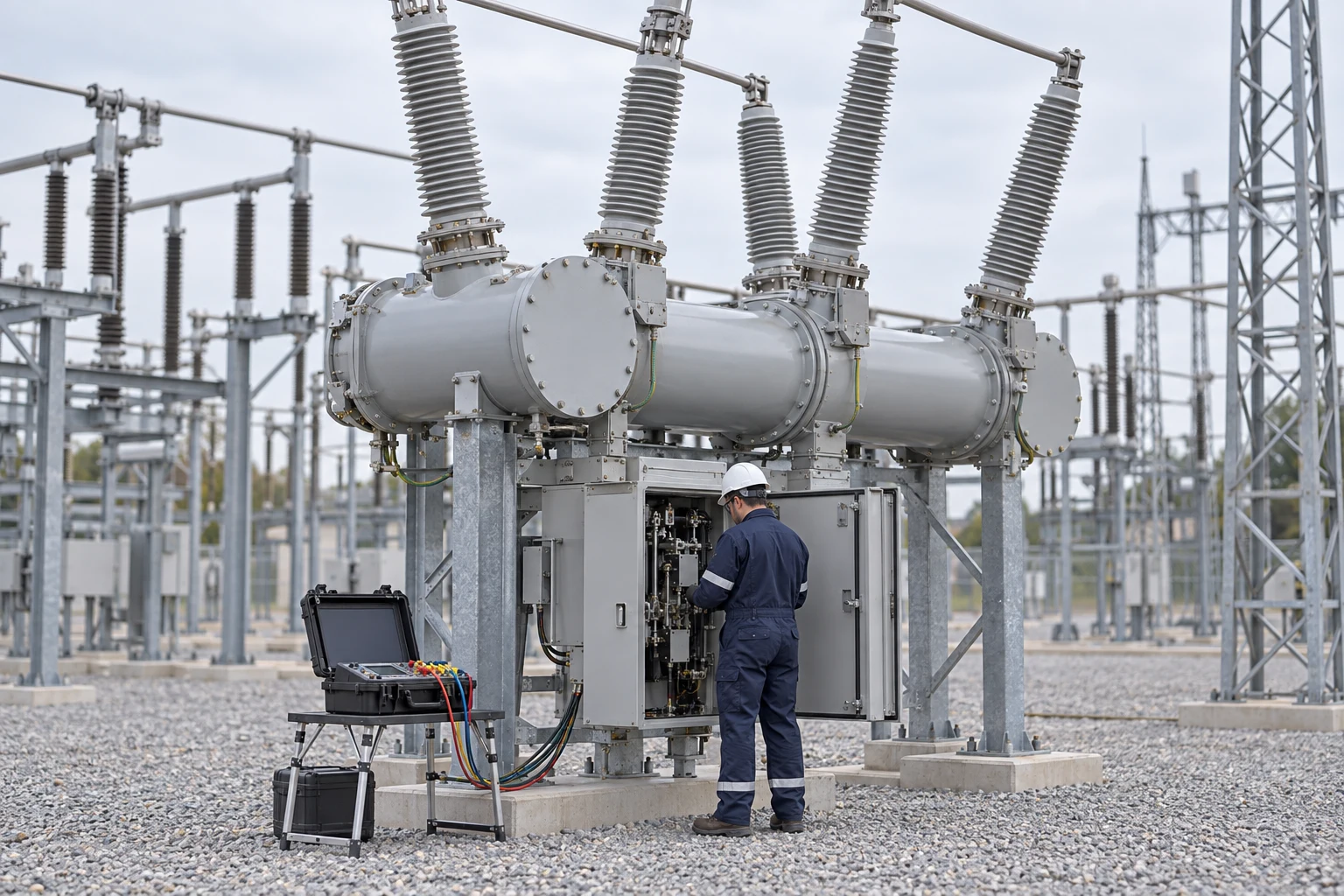
Conceptual illustration of a technician inspecting a high-voltage circuit breaker in a substation, with a portable breaker analyzer nearby.
Illustrative example; not a customer project record.

Define the maintenance scope.

SET reviews the equipment history, operating constraints and work requested. The team coordinates access and any necessary outage with the operator.

Carry out the assigned checks.

Inspections and electrical tests assess the equipment condition. When included in the maintenance plan, SET also checks generator transfer and return to utility power.

Record the work and next actions.

The report identifies the equipment checked, measurements taken and points requiring attention. These records help the operator plan subsequent maintenance.

Deliverable: a maintenance record with test results, findings and recommended follow-up.

Illustrative workflow

Transformer assembly, inspection and testing

SET performs assembly work, inspects the assembly and records electrical checks before commissioning.

Illustration of an assembly inspection while a transformer bushing is positioned.
Illustrative example; not a customer project record.

Coordinate the assembly work.

The team reviews the manufacturer’s documents and the site requirements, then coordinates the installation of transformer components and accessories.

Check the completed assembly.

Assembly inspections cover the installed components, connections and the checks specified for the equipment. Findings and any work still required are recorded.

Document the electrical tests.

SET performs the assigned electrical tests and compares the results with the project and manufacturer requirements. The results become part of the transformer’s technical record.

Deliverable: assembly inspection sheets, electrical test results and a record of outstanding items.

Illustrative workflow

Filtration and degassing of transformer oil

From the initial assessment to follow-up sampling, SET prepares the work, performs on-site filtration and documents the intervention.

  1. Assess

    Define the filtration requirements.

    Sampling and available analyses help define the work needed. SET prepares the filtration and vacuum equipment for the oil and transformer concerned.

  2. Filter

    Remove particles, water and gases.

    SET connects the unit to the transformer and performs filtration and degassing according to the identified needs. The team monitors the intervention and records its observations.

  3. Verify

    Check the oil after the work.

    SET records the work and takes follow-up samples. DieleXLab carries out the laboratory analyses used to assess the oil against the project requirements.

Deliverable: a work record and oil analysis results for equipment follow-up.

See the animated oil circuit

Illustrative workflow

Inspecting an abnormally warm connection

This example shows how a temperature difference is identified, investigated and checked after corrective work.

Thermal illustration showing a warmer connection.
Illustrative example; not a customer project record.

Identify the temperature difference.

In this thermal illustration, the centre connection is warmer than those on the neighbouring phases. The inspector records its location and operating conditions.

Determine which checks are needed.

The qualified team reviews the temperature difference alongside loading, comparable connections and equipment characteristics. They determine the checks and work needed.

Inspect after the work.

A follow-up inspection under comparable conditions checks the result of the work. The original finding and follow-up observations are kept in the maintenance record.

The report records the finding, the agreed action and the check to perform after the work.

CONTACT US

Your project.
Let’s talk.

Tell us about the equipment, location and timing of your project so we can prepare for our first conversation.

info@set-ets.com

Choose your project type and the service you need, then add the details.

What do you need help with?
Which service do you need?
Project details
Timing
10–3,000 characters

The final step opens a draft in your email application. Review and send it there.

FIND US

634-A, chemin des Vieux-Moulins
Saint-Jean-sur-Richelieu, Québec
J2Y 1C5, Canada

TALK TO OUR TEAM450 347-8394

Workshop and general inquiries

NEED URGENT SUPPORT?514 853-2693

Emergency contact

SET / INSIDE THE TRANSFORMER

Transformer components and tests

Choose a component to explore its role and typical tests.

Educational cutaway: three HV bushings in front, four LV and neutral bushings behind, insulated windings on a shared core, radiators and conservator.

Educational cutaway · Front wall and oil omitted. Internal connections simplified.

SELECTED COMPONENT

Windings

Each phase has concentric HV and LV windings around a core limb, separated by solid insulation and oil ducts.

Typical tests and inspections

  • Turns ratio (TTR)

    Verify the voltage ratio and phase relationship against the nameplate and tap position.

  • DC winding resistance

    Identify abnormal resistance in windings and their connections.

  • Frequency response (SFRA)

    Compare winding response with a baseline to investigate mechanical changes.

  • Insulation power factor / tan δ

    Assess the overall winding insulation system together with capacitance.

The test program depends on the equipment, its condition and manufacturer requirements.

Discuss your transformer

Data center commissioning: SET’s role

SET contributes mainly at levels L1 and L2, checking electrical equipment and documenting its condition before the next commissioning stages.

L1

Factory acceptance

Check the equipment against project requirements and review factory test records within the agreed assignment.

  • Equipment specifications and manufacturer documentation
  • Assigned inspections and electrical checks
  • Recorded observations and items requiring follow-up
L2

Delivery and installation

Inspect equipment on arrival and after installation, before energization.

  • Equipment condition and identification
  • Assembly, connections and grounding checks
  • Assigned electrical tests and documented results

Commissioning and maintenance

UPS performance testing is normally outside SET’s scope. SET checks generator transfer and return to utility power during maintenance, rather than commissioning.

The project commissioning plan defines the checks and responsibilities for each level.

From oil sampling to the lab report

SET collects the oil sample on site. DieleXLab analyses it in the laboratory. See how the results help assess equipment condition.

On-site sampling · SET

Collect and identify the sample.

SET collects the sample on site and records the equipment reference, date and operating conditions. These details link the laboratory results to the equipment sampled.

SET / DEMO-001Sample identification

Equipment · Date · Sampling conditions

DieleXLab
H₂Hydrogen (DGA)
H₂OWater content
kVBreakdown voltage

Laboratory analysis · DieleXLab

Select the appropriate tests.

DieleXLab analyses dissolved gases, water content and insulating properties. The test program depends on the equipment and the purpose of the assessment.

Explore DieleXLab (new tab)

Interpret the results in context.

Select a test to learn what it measures. Results are interpreted alongside sampling conditions and previous measurements.

Sample report · DEMO-001

TestExample result

Fictional values · No condition rating

What the test measures

Hydrogen in the oil.

Dissolved gas analysis (DGA) considers several gases and how their concentrations change over time. A hydrogen reading alone is not a diagnosis.

Moisture in the oil.

This test measures water in the sample. Equipment type, temperature and sampling conditions must be considered when interpreting the result.

The oil’s insulating strength.

This test measures the voltage at which the sample breaks down electrically under specified conditions. The result must include the test method and parameters.

Plan oil sampling

Educational example. The report values are fictional and do not establish equipment condition.

Explore the thermal image